
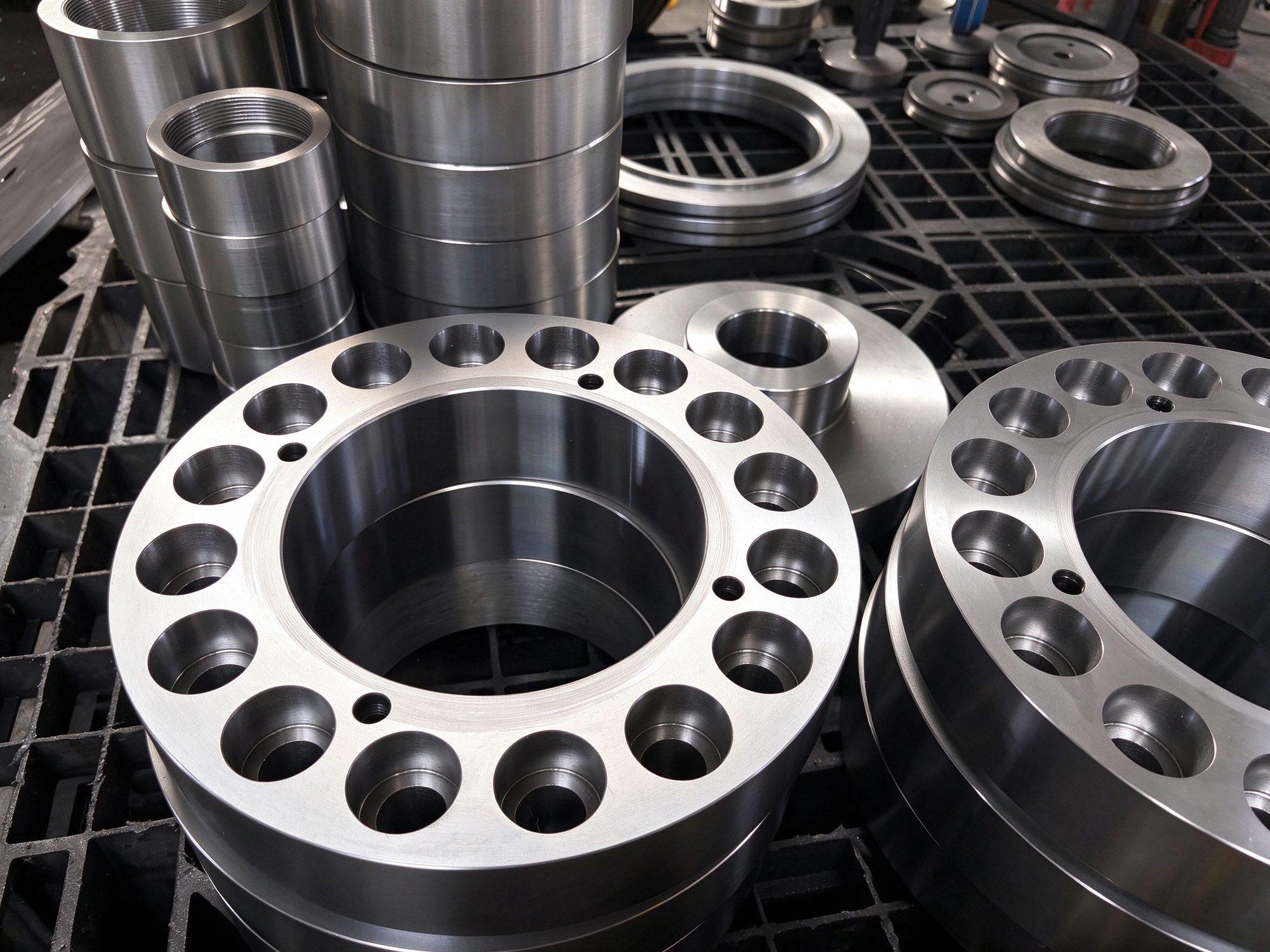
CNC/OEM technical preparation
Prepare the material, drawing and inspection information needed to discuss a non-standard mechanical part with SourceTide. This page explains the published material scope, the technical references and the details that help define a drawing-based requirement.
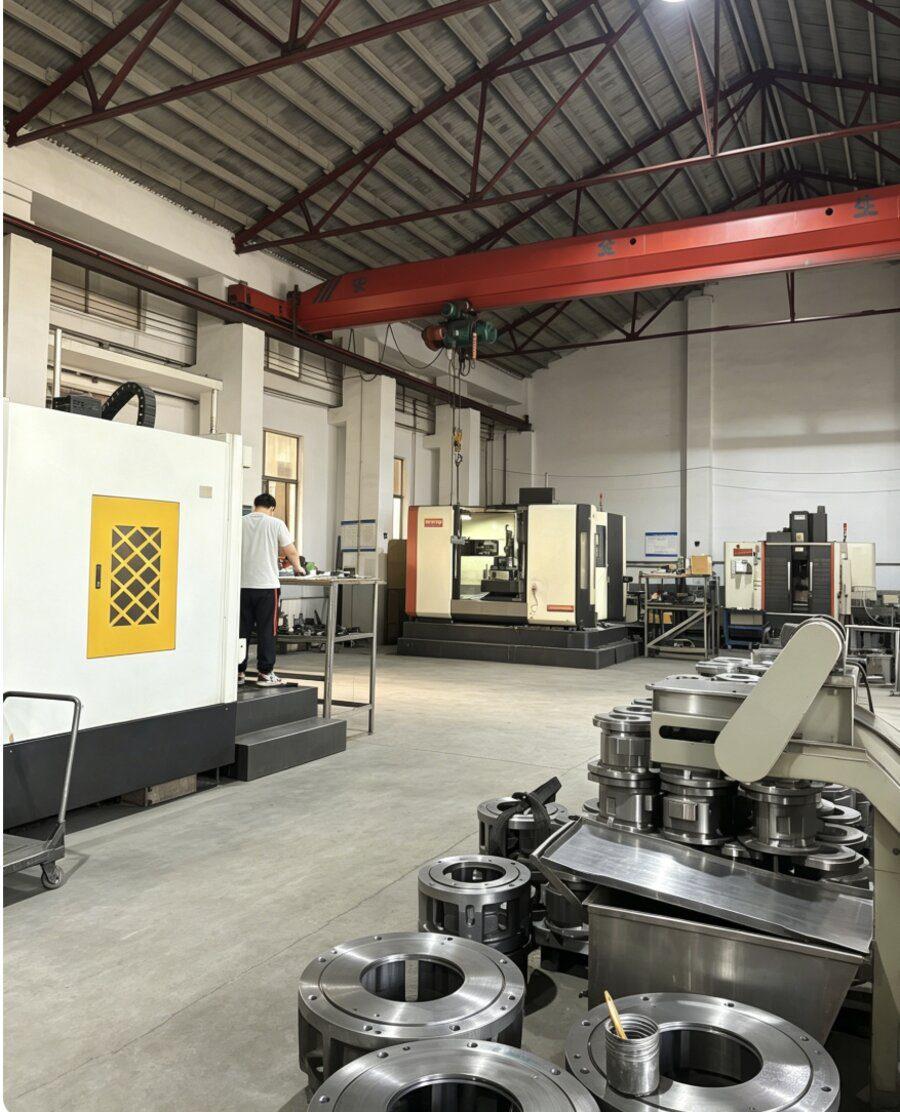
Published Material Families
The following families are included in the public machining scope. The required grade, specification and relevant material condition are confirmed for the individual project. A material family is not a final grade specification.
Cast iron
Cast steel
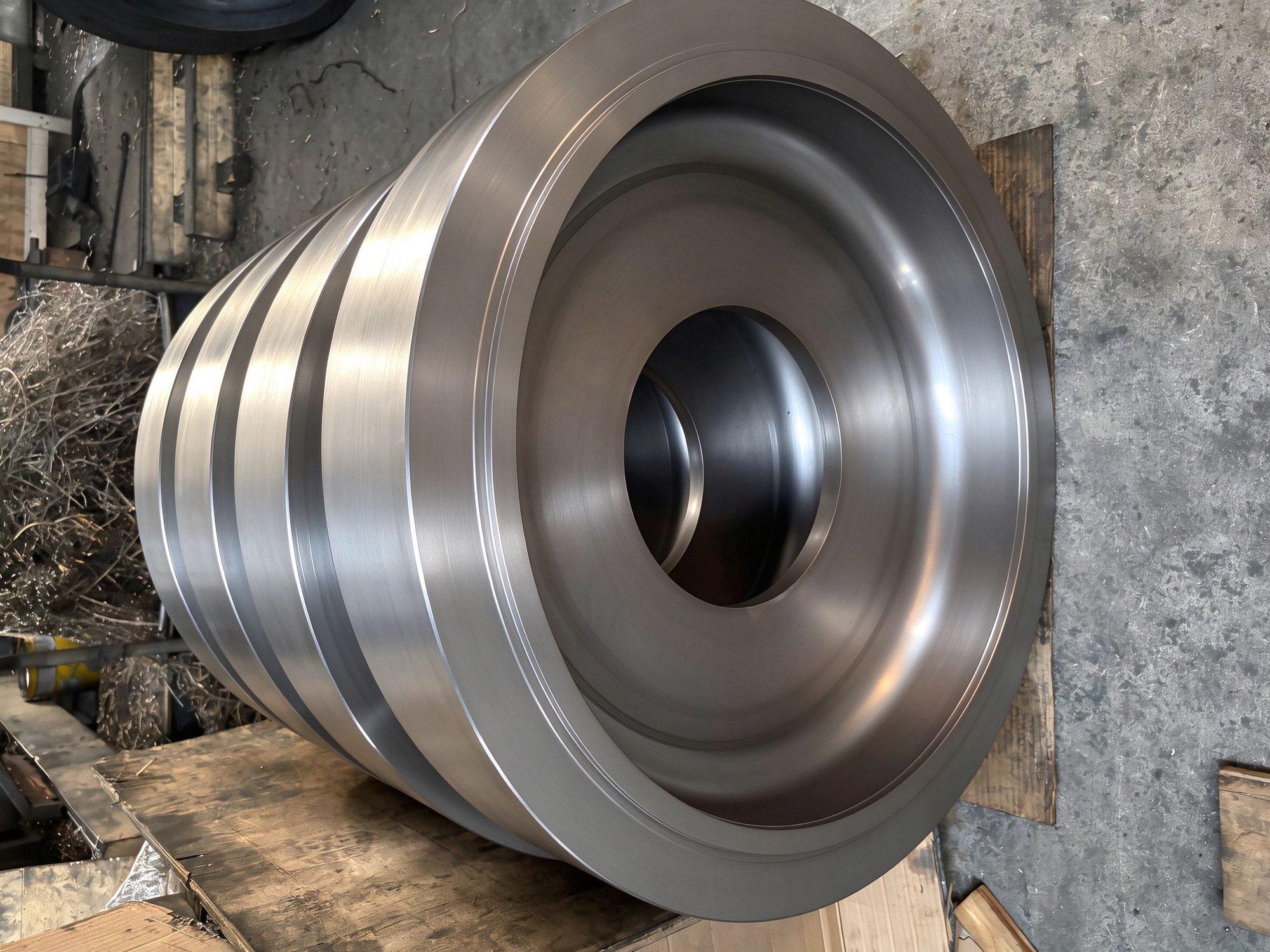
Gray cast iron
- Include in your requirement
- Material designation, drawing and any stated condition
- Confirmation needed
- The grade and requirements applicable to the part.
Ductile iron
- Include in your requirement
- Grade reference and the material notes on the drawing
- Confirmation needed
- The specified material basis and required records.
Cast steel
- Include in your requirement
- Required designation and specification
- Confirmation needed
- The material and part requirements to use in review.
Alloy cast steel
- Include in your requirement
- Alloy grade reference and stated condition
- Confirmation needed
- The requested grade and project requirements.
Aluminum alloys
- Include in your requirement
- Alloy designation and any condition stated by the drawing
- Confirmation needed
- The material definition needed for the proposed part.
Copper alloys
- Include in your requirement
- Required alloy designation and relevant drawing notes
- Confirmation needed
- The material specification and documentation expectations.
Stainless steel
- Include in your requirement
- Required grade, application and material notes
- Confirmation needed
- The specific material requirement, not an assumed family-wide substitute.
Titanium alloys
- Include in your requirement
- Required grade and technical specification
- Confirmation needed
- The grade and project-specific manufacturing requirement.
Aluminum and copper
Stainless steel and titanium
Define the Material Before Treating It as Confirmed
- State the designation.
- Use the material grade or specification required by the drawing or project information. A family name such as stainless steel is useful for routing, but does not define a complete material requirement.
- Include the drawing notes.
- Share any stated condition, surface requirement or other material instruction relevant to the part. Keep the original requirement available for review.
- Identify documentation needs.
- Explain whether the order requires material documentation and whether a particular document type has been specified by your procurement team.
- Flag unresolved choices.
- When the grade has not been selected, say so. A proposed alternative should be discussed and confirmed rather than silently substituted.
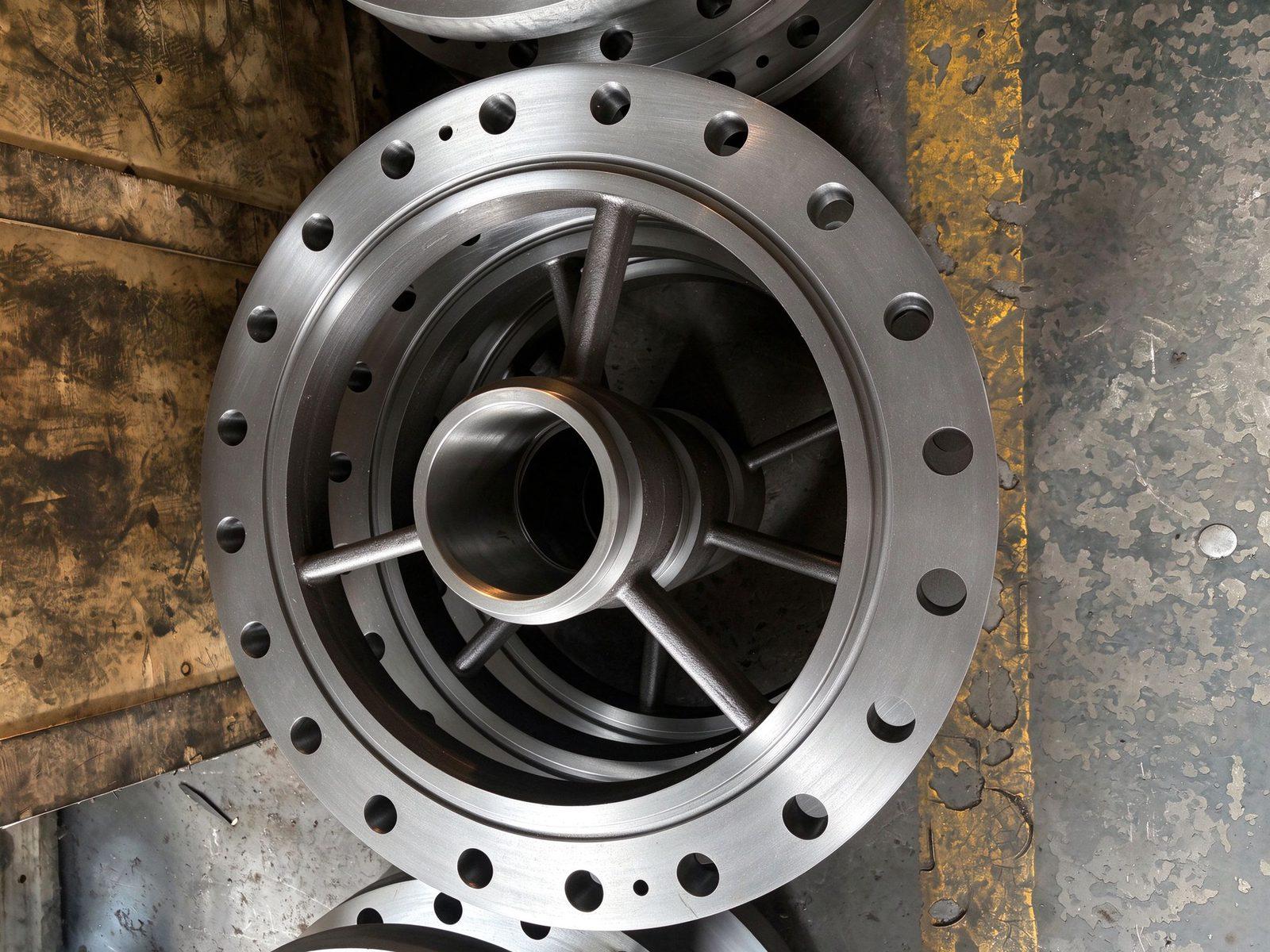
Dimensions and Tolerance Requirements
- Published component-diameter reference
- Φ250–1000mm
- Published tolerance-grade reference, up to IT6
- IT9–IT6
Final manufacturability depends on the drawing, material, geometry, quantity, critical dimensions and agreed inspection requirements. Provide the drawing and relevant dimensions so the proposed part can be reviewed. The reference does not establish a separate capacity for every shape, length, mass or feature.
Identify the critical dimensions, their tolerance requirements and the related drawing notes. The applicable requirements are confirmed for the part rather than inferred from the range alone.
| Detail | What to identify |
|---|---|
| Drawing dimensions | The dimensions that define the part and the features important to your requirement. |
| Critical requirements | The tolerances and notes that must be discussed before quotation and production. |
| Inspection expectations | The checks and records expected against the agreed drawing or specification. |
Prepare the Drawing or Specification Package
DXF, STEP and PDF are accepted input formats for technical review. Identify which file and revision should be treated as the current requirement, especially when several files describe the same part.
| Information | Include | When information is incomplete |
|---|---|---|
| Part identity | Part description and your reference, when available | Describe the part and its application. |
| Revision | The current drawing or specification revision | Flag uncertainty instead of assuming the newest filename is authoritative. |
| Material | Grade, specification and stated condition | Identify which material decisions remain open. |
| Dimensions | Drawing dimensions and the features relevant to the requirement | State which measurements or drawings still need clarification. |
| Critical requirements | Tolerances, surface requirements and applicable drawing notes | Identify questions that must be resolved before production. |
| Quantity | Required quantity and any separate sample requirement | Provide the quantity information available for discussion. |
| Inspection and records | Required checks, dimensional reports and material documents | State whether your procurement team has additional requirements. |
| Project context | Application, destination and requested schedule | Mark the schedule as requested, not as a confirmed delivery commitment. |
Start With the Information Available
Describe the requirement
Tell us what the part is, where it is used, the quantity required and the information available. Photos, equipment references or a sample may support an initial discussion.
Identify what remains open
Point out missing drawings, uncertain material grades, incomplete dimensions or unresolved documentation requirements. Clear gaps are more useful than assumptions presented as confirmed facts.
Confirm the next technical step
The initial review identifies missing information and questions for the relevant team. Production proceeds only against an agreed drawing or specification. A sample or photograph does not, by itself, establish the agreed production specification.
Materials and Drawing FAQs
Which drawing formats can I use?
DXF, STEP and PDF can be used for technical review. Include the revision and explain which file defines the current requirement when more than one format is supplied. File format alone does not establish whether the information is sufficient; material, dimensions, quantity and inspection needs must also be clear.
Is a material family enough for a final quotation?
A family name helps route the inquiry, but may not define the final material requirement. Provide the grade, specification and stated condition where available. When these have not been selected, identify the open question so it can be discussed before a material basis is treated as confirmed.
Can I ask about a different material grade?
Yes. State the proposed grade or material requirement and explain the application. Additional materials are reviewed for the project. Do not assume that inclusion of a family on the website confirms every grade, condition or proposed substitution within that family.
Does the public tolerance reference replace my drawing tolerances?
Your drawing tolerances lead. The published reference is IT9–IT6, and your drawing identifies the relevant dimensions and tolerance requirements, reviewed with the material, geometry, quantity and inspection scope before the project specification is confirmed.
Can a sample be the only production reference?
A sample can support the initial review, but production requires an agreed drawing or specification. Explain what technical information accompanies the sample and which requirements are still unknown. The appropriate next step depends on the part and available project information.
Should I include inspection and destination requirements in the first inquiry?
Include the requirements already known, especially requested inspection records, material documents or additional tests. The destination and schedule help identify further questions. Routine order support remains within the agreed order scope; special testing, external inspection and additional destination requirements may need a separate quote.
Ready to Discuss the Part?
Start with the drawing or specification information you have. Tell us the material, quantity, application, critical requirements and expected records, and identify any gaps that still need review.
Use the website form for the initial inquiry. Drawings and large attachments follow by email after initial contact.