CNC turning
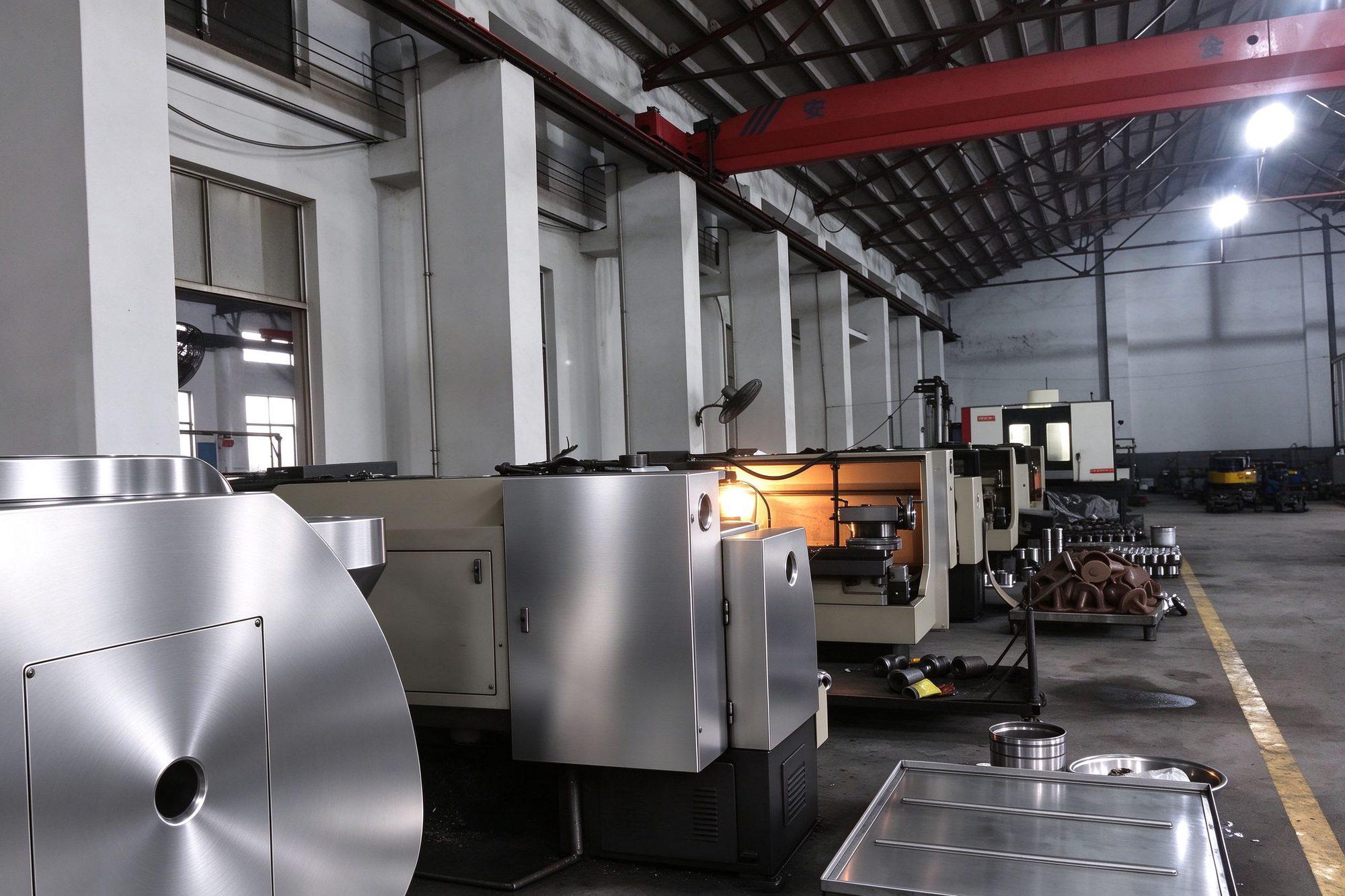
Vertical and horizontal CNC lathes for medium and large rotational parts, machined to drawing.
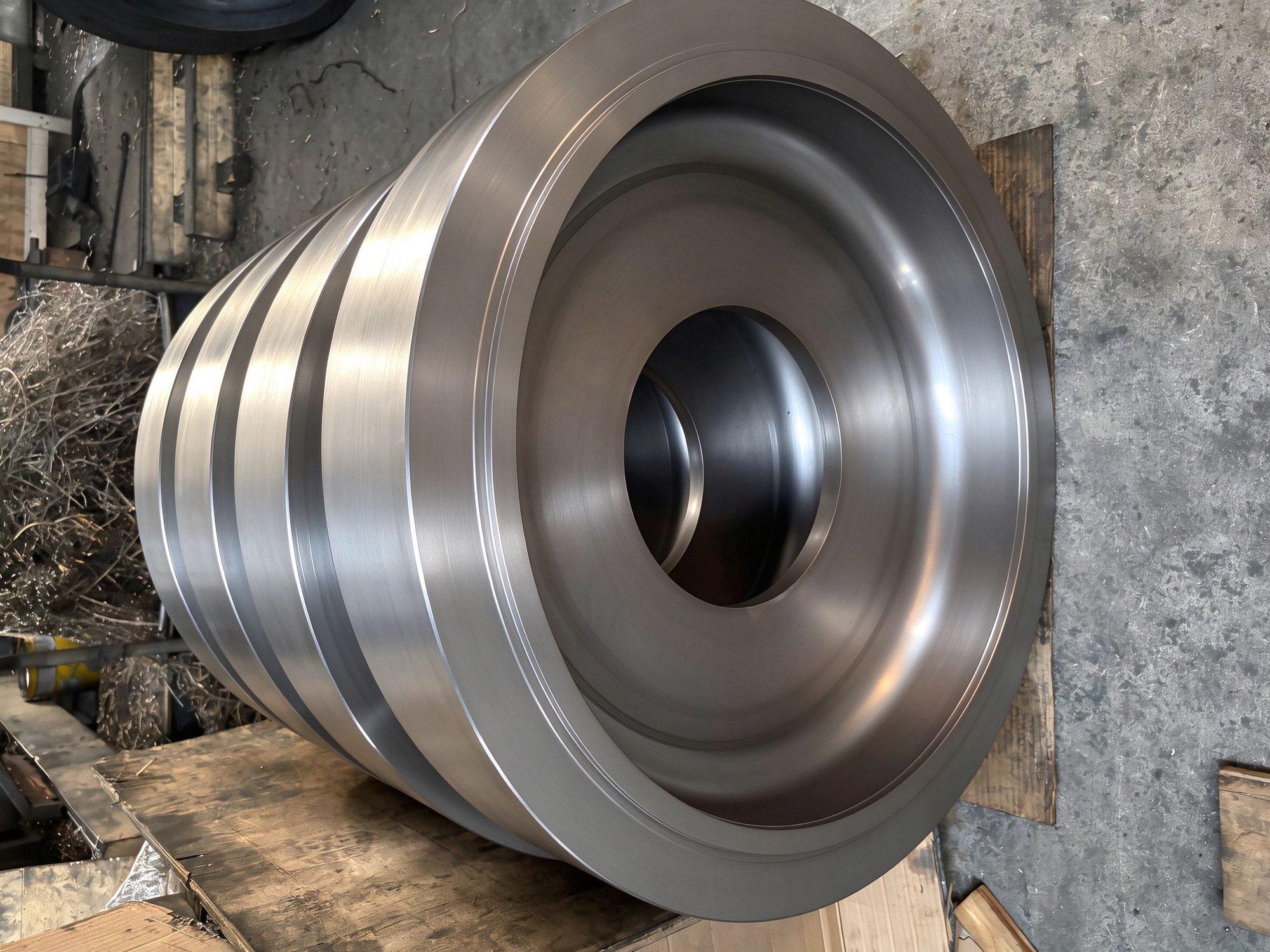
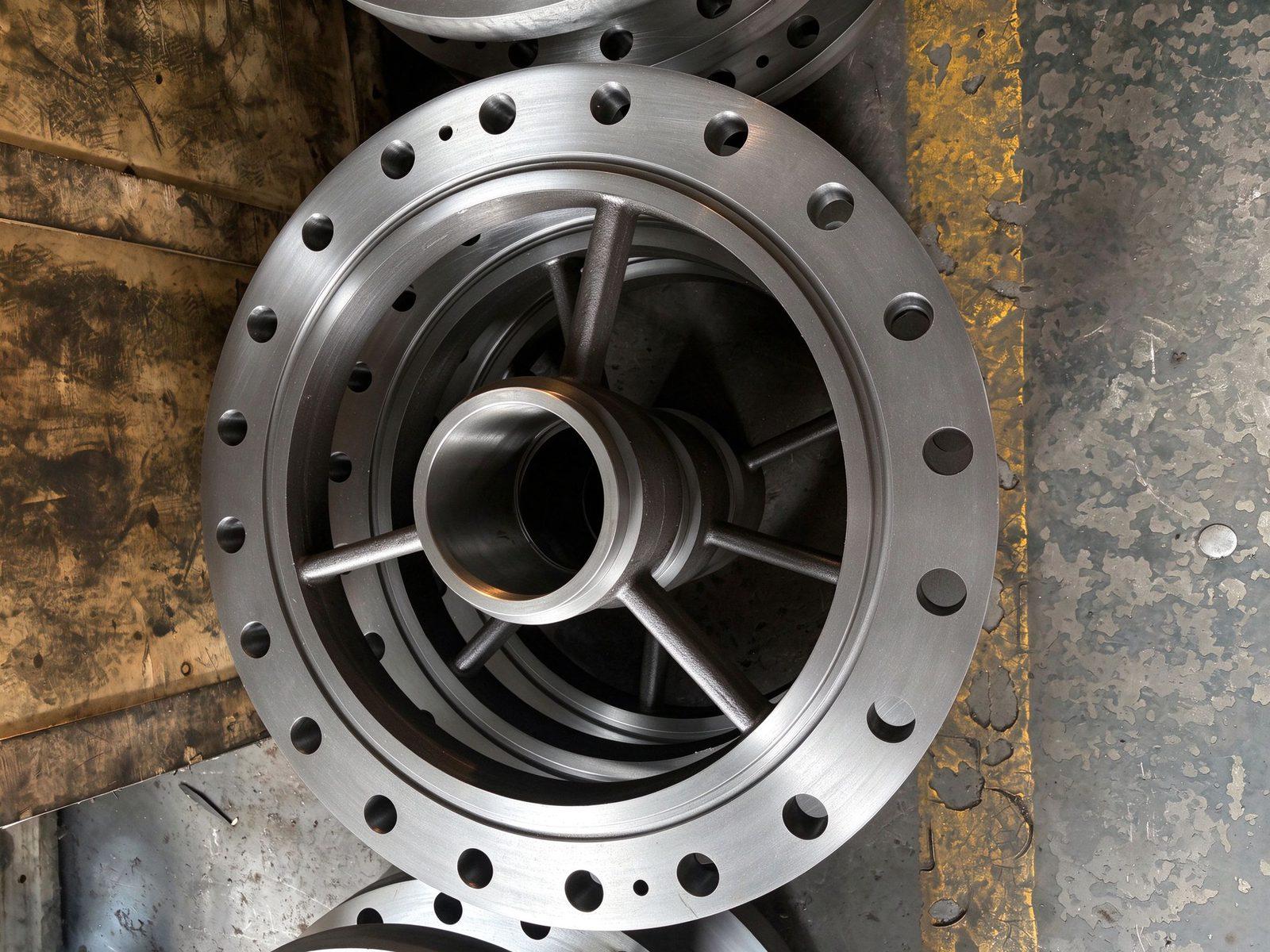
Vertical and horizontal CNC lathes for medium and large rotational parts, machined to drawing.
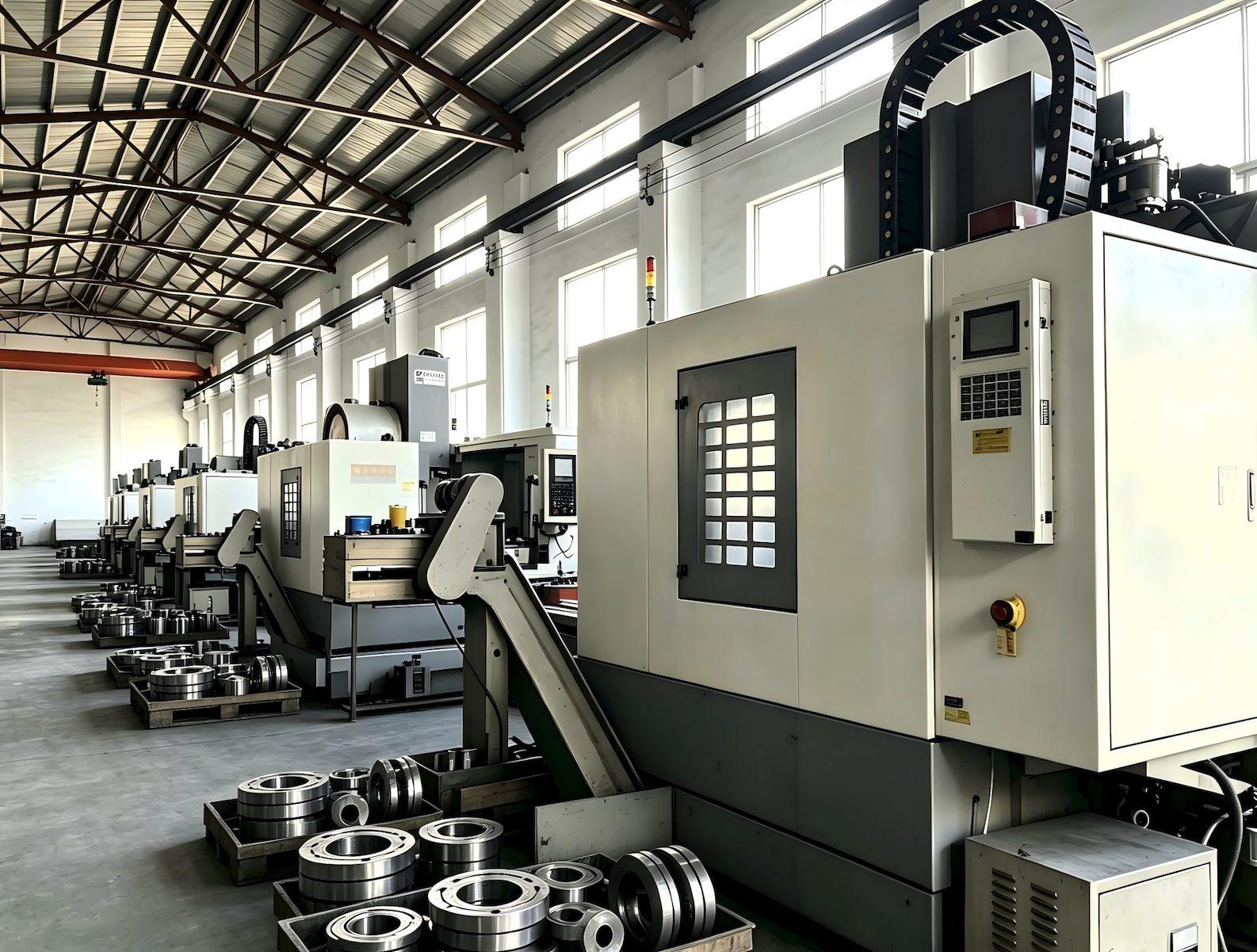
Vertical and horizontal machining centres, CNC boring and milling. Multi-process coordination reduces the number of suppliers.
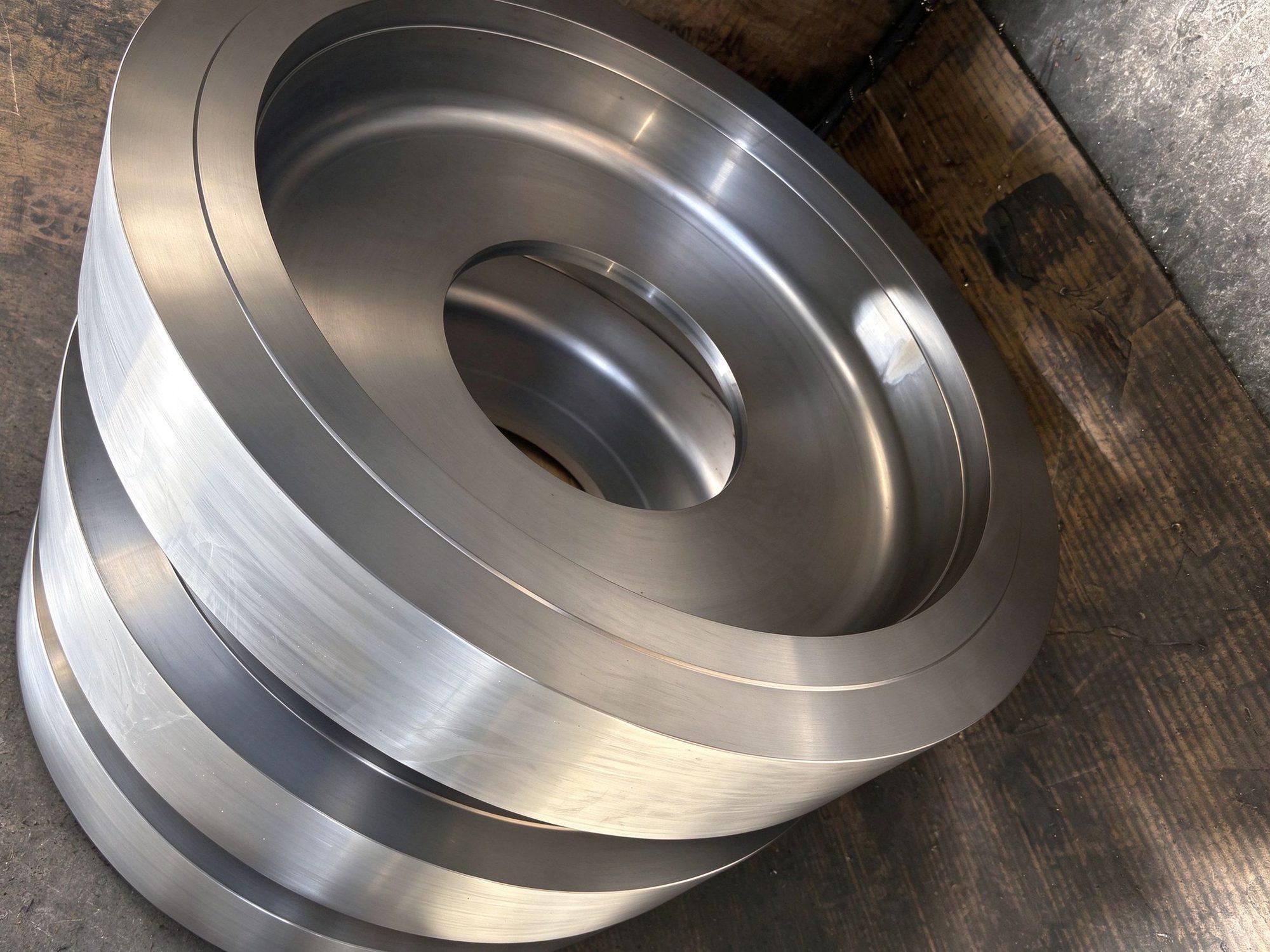
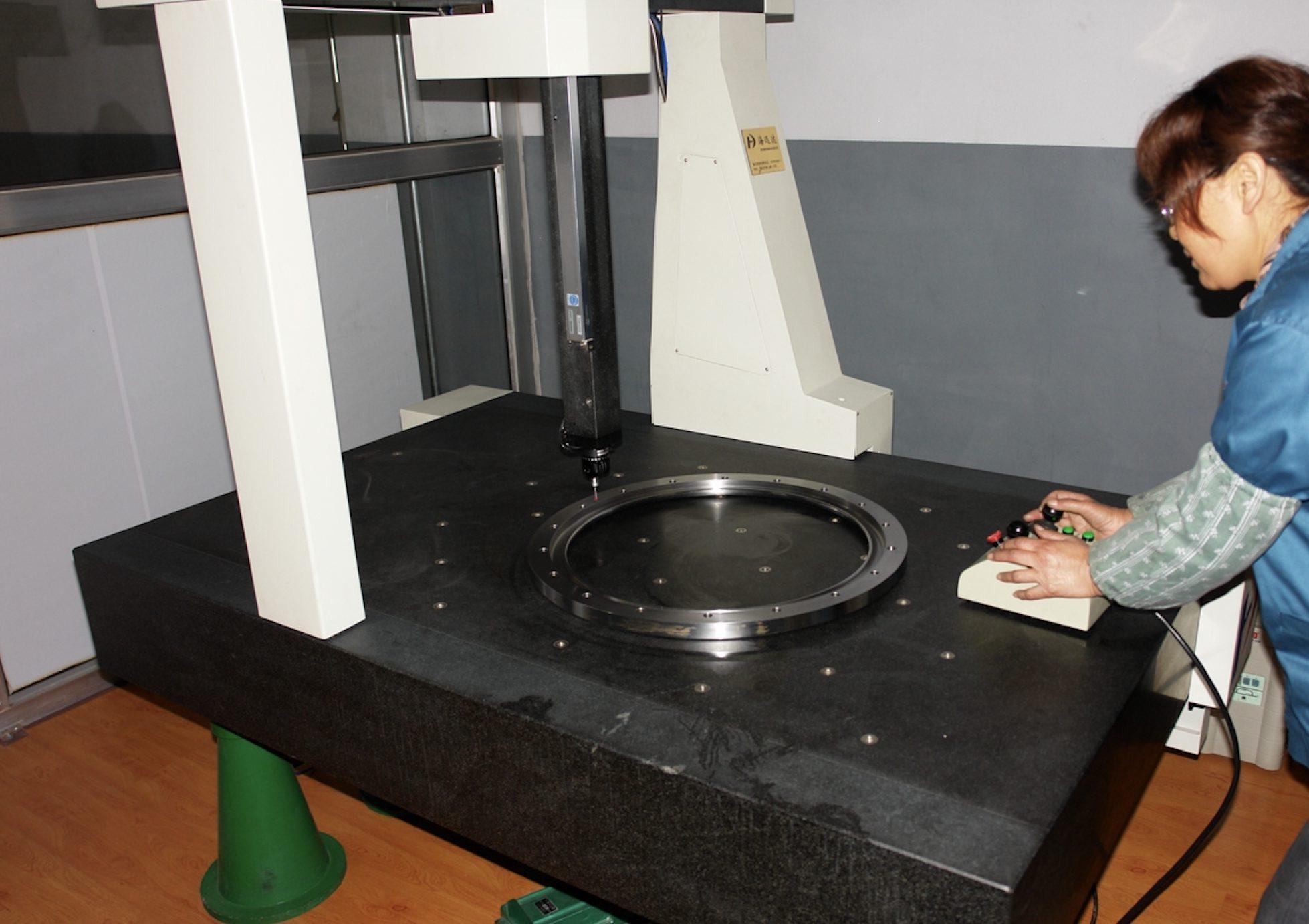
Critical mating faces are precision-ground after machining, with first-article and in-process checkpoints in each batch.
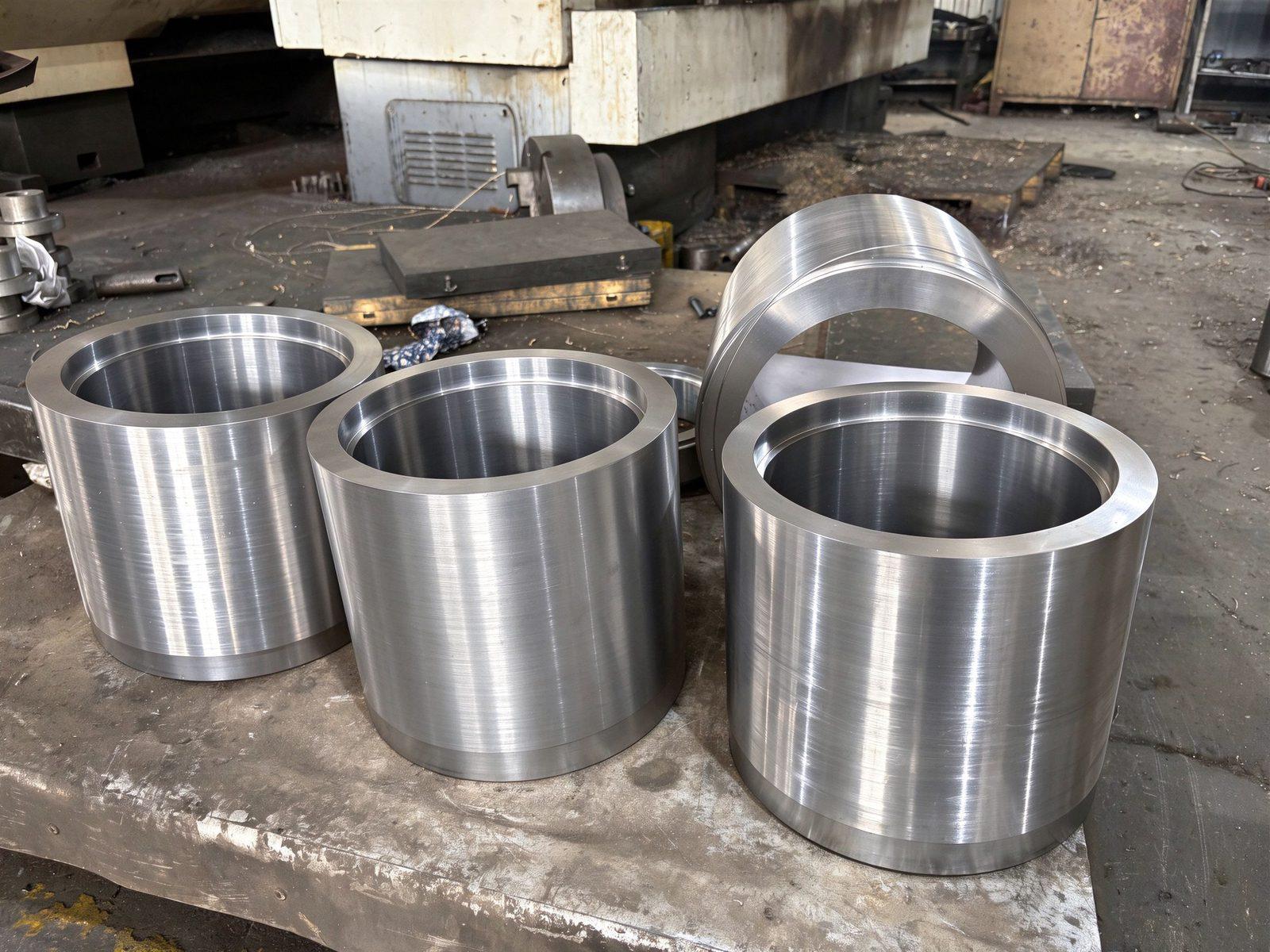
Rough and finish machining are separated, with stress relief before key operations; dedicated fixtures distribute clamping stress on thin-walled parts.
| Item | Reference |
|---|---|
| Machining diameter | Φ250–1000 mm |
| Accuracy class | IT9–IT6, IT6 where the part and drawing allow |
| Tolerances | Executed to your drawing, and assessed for feasibility before quotation |
| Machining type | Mainly medium and large rotational parts, and non-standard custom parts. Standard parts are also supported, machined to drawing. |
| Production mode | Sample run to drawing · small and medium batch · heavy-duty custom work |
| Machining equipment | Vertical and horizontal CNC lathes, vertical and horizontal machining centres, CNC boring and milling |
| Drawing formats | DXF, STEP, PDF, or sample parameters |
| Inspection and documents | Incoming material · first article · in-process · final. Inspection records are retained; material certificates and test reports are provided as the customer requires. |
Final feasibility depends on geometry, material, quantity, critical dimensions, inspection needs, and the confirmed production route. The diameter reference is not a machine envelope or maximum shaft-length specification. A tolerance grade should not be read as one fixed tolerance for every dimension.
Materials & Specifications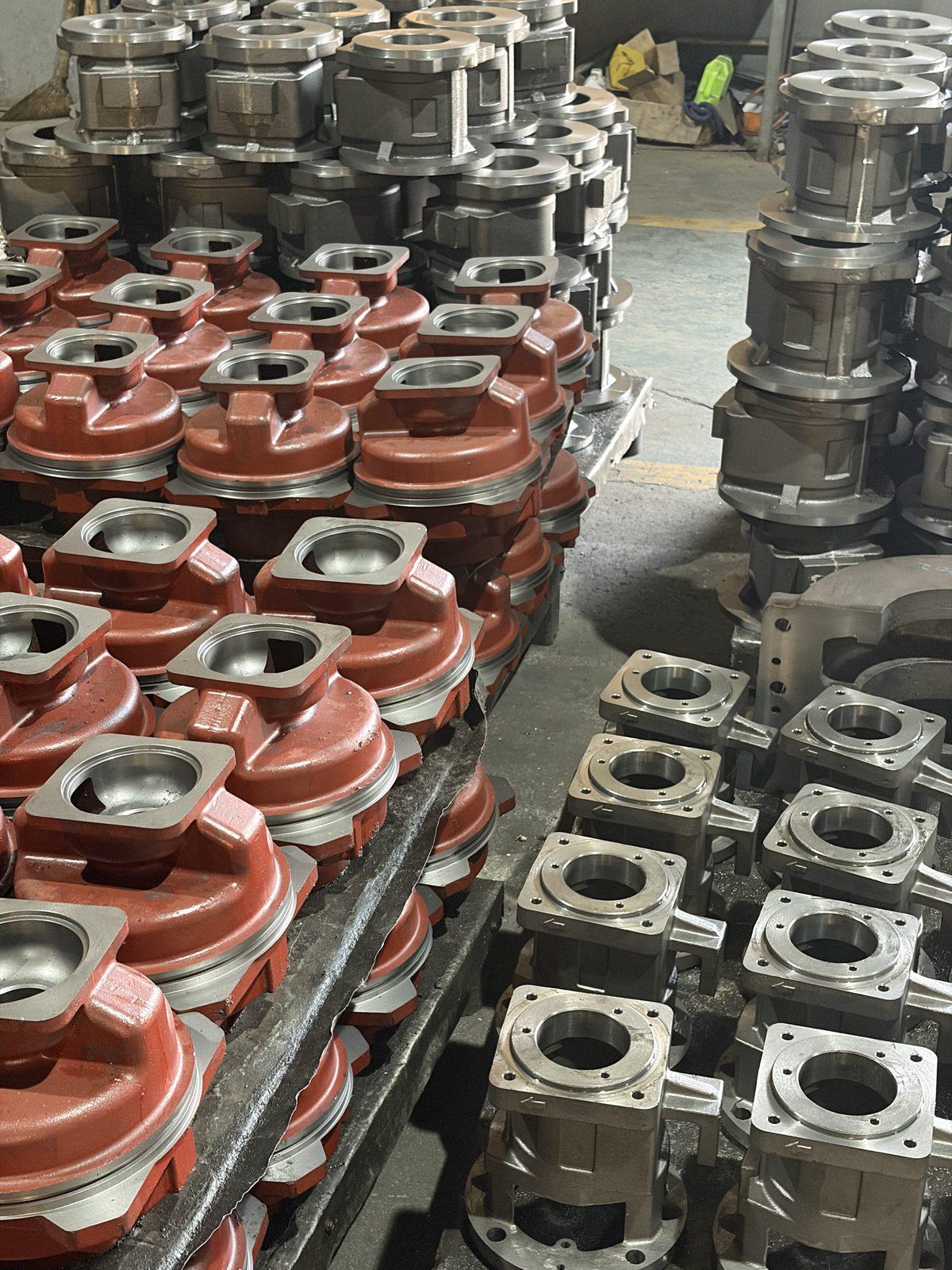
Material selection is confirmed for the specific part and application. Other materials are assessed and confirmed on request.
State the required grade in the inquiry when it is known. Also identify any surface, heat-treatment, inspection, or material-document requirement your team needs reviewed.
Materials & SpecificationsSourceTide’s CNC/OEM gallery presents twelve representative part types for pump, transmission, and industrial requirements. The parts are reviewed against the buyer’s drawing or agreed specification, material, quantity, and inspection needs. A gallery example identifies a part family; each part is made to the customer’s drawing.
Use the names to locate a relevant example. Final geometry, material, dimensions, and inspection requirements come from the agreed technical information, not from the group label. Matched parts such as mechanical seal rings, impellers and wear rings are produced and moved as sets.
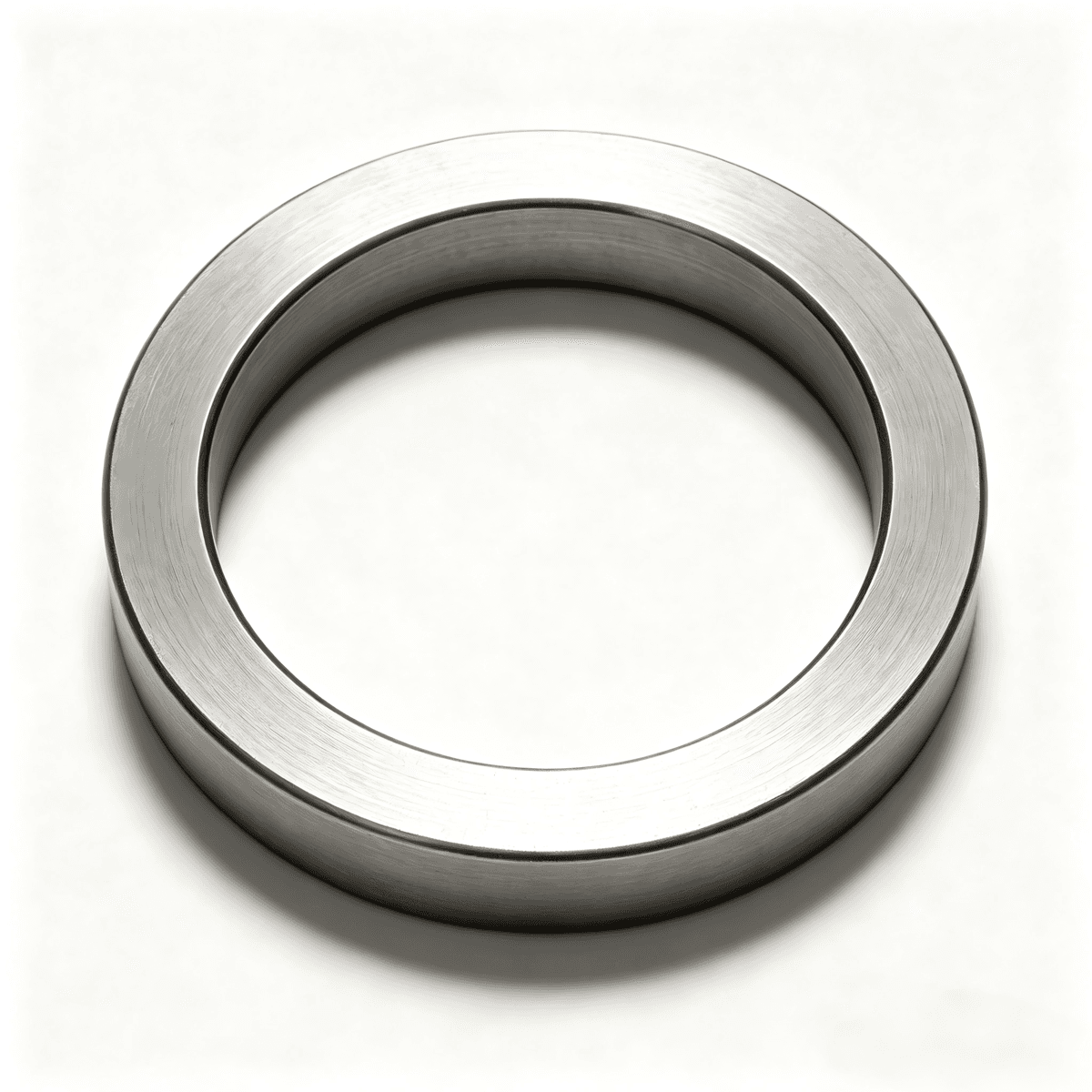
High-wear materials available; used to control running clearance between rotating parts.
Non-standard wear rings are reviewed for made-to-drawing requirements, with material selection considered for the application. Provide the drawing revision, material requirement, quantity, and critical dimensions. A representative wear-ring example does not establish compatibility with an existing pump or confirm a particular wear-performance result.
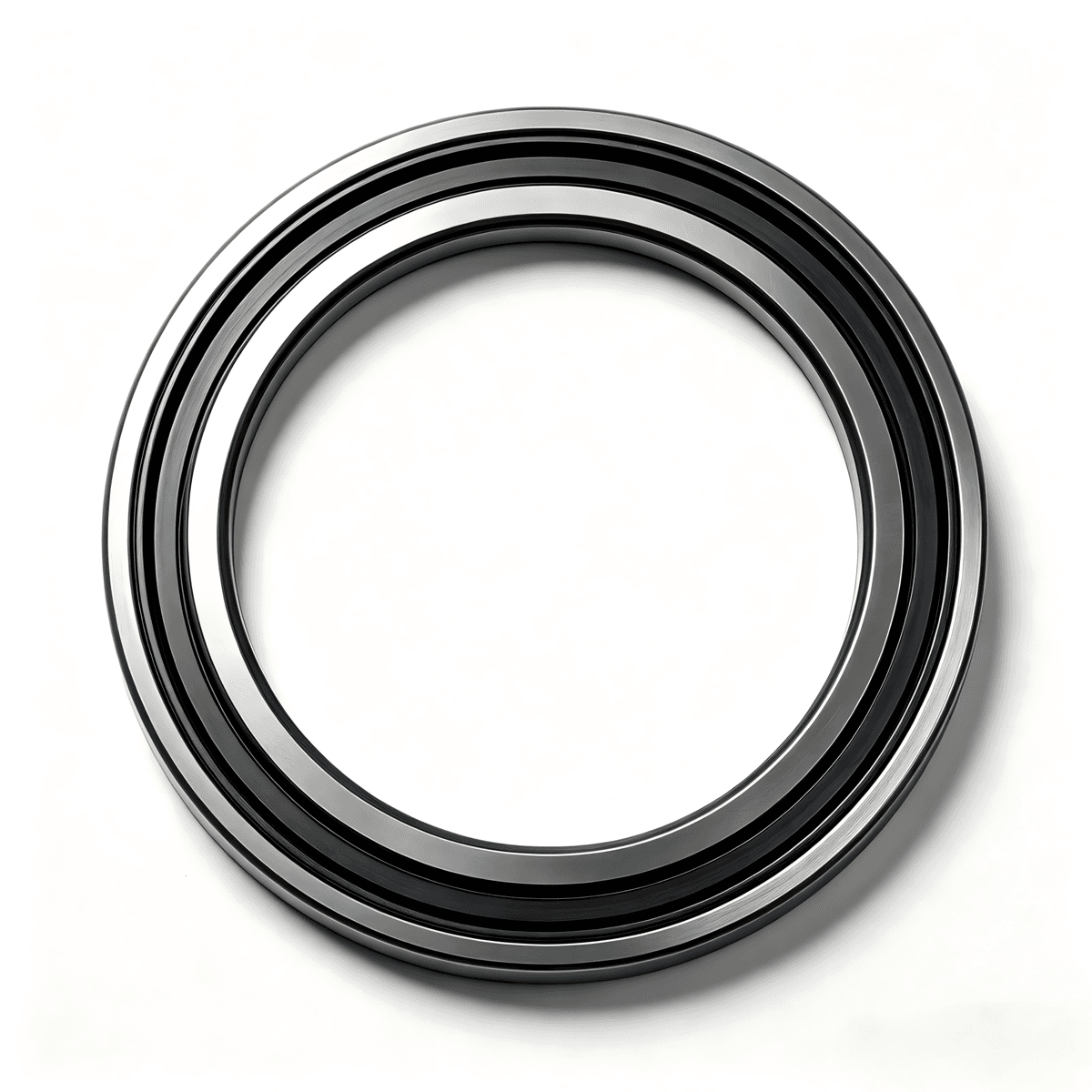
Rotating and stationary rings; mating-face accuracy confirmed by seal type and medium.
The representative scope includes rotating and stationary mechanical seal rings. Identify which face or paired requirement is needed and provide the agreed drawing, material, quantity, and relevant dimensions. The final specification and suitability are reviewed for the project rather than inferred from a seal-ring photograph.
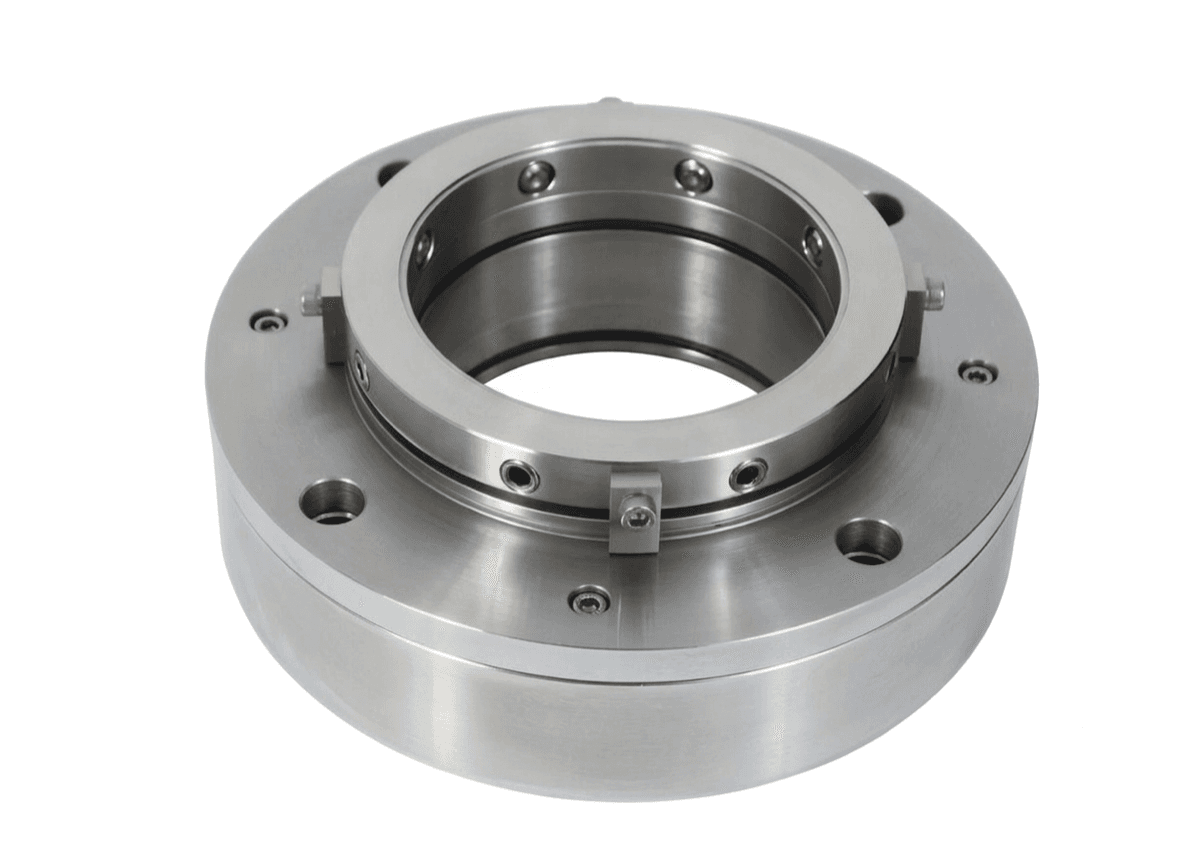
Custom-matched to pump body interface dimensions.
Seal glands are considered against the pump information and drawing-based requirement. Include the pump model when available, the drawing or specification, material, quantity, and critical dimensions. A matching product name or similar appearance is a starting point for review, not confirmation of interchangeability.
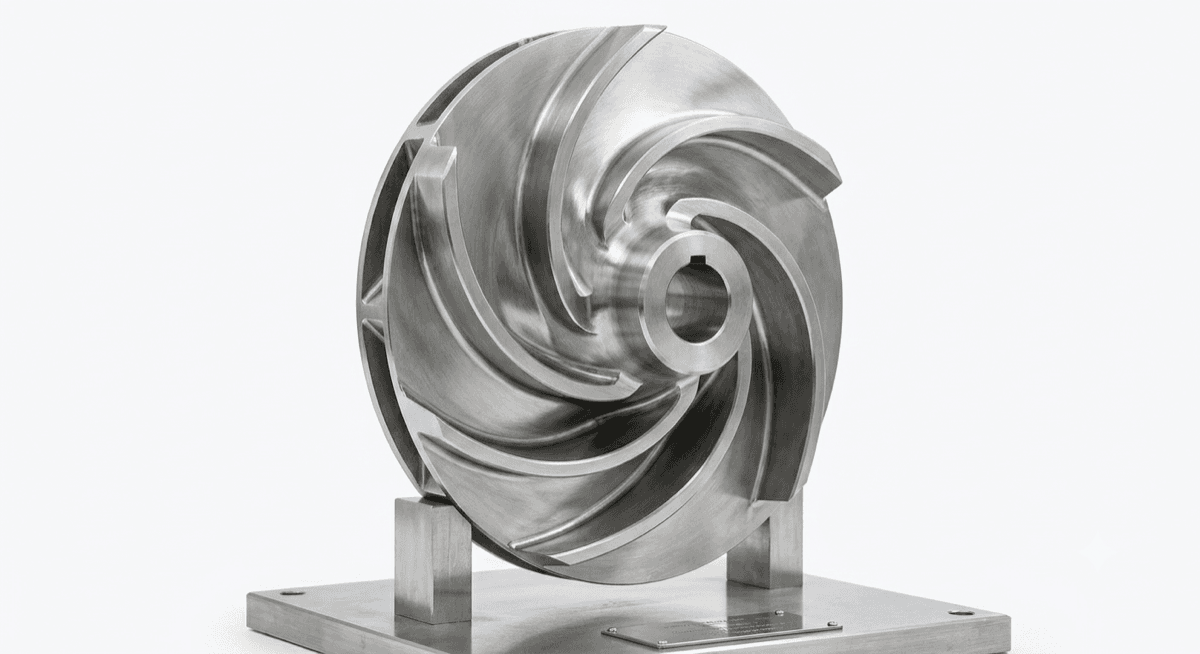
Main flow-path component for pumps; hydraulic profile made to drawing.
Non-standard impeller requirements can be reviewed with material and configuration defined for the project. Share the drawing or agreed specification, application, quantity, and inspection requirements. The gallery does not assign a common flow, head, efficiency, or replacement fit to every impeller shown.
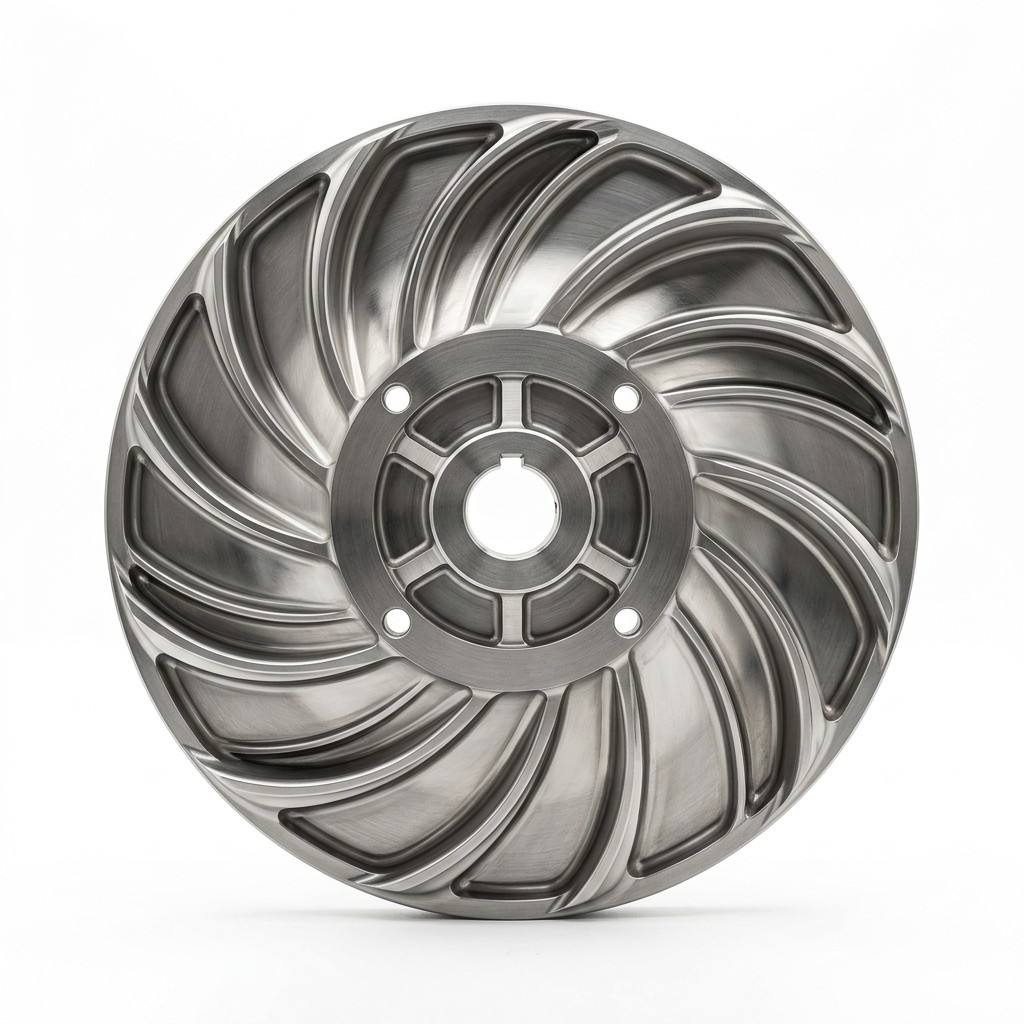
Face accuracy and mating faces controlled to drawing.
Guide vanes are included as representative custom pump components. Send the current drawing or specification, material requirement, quantity, and dimensions your team considers critical. Surface and inspection requirements should be stated explicitly; no efficiency improvement is promised from the category name alone.
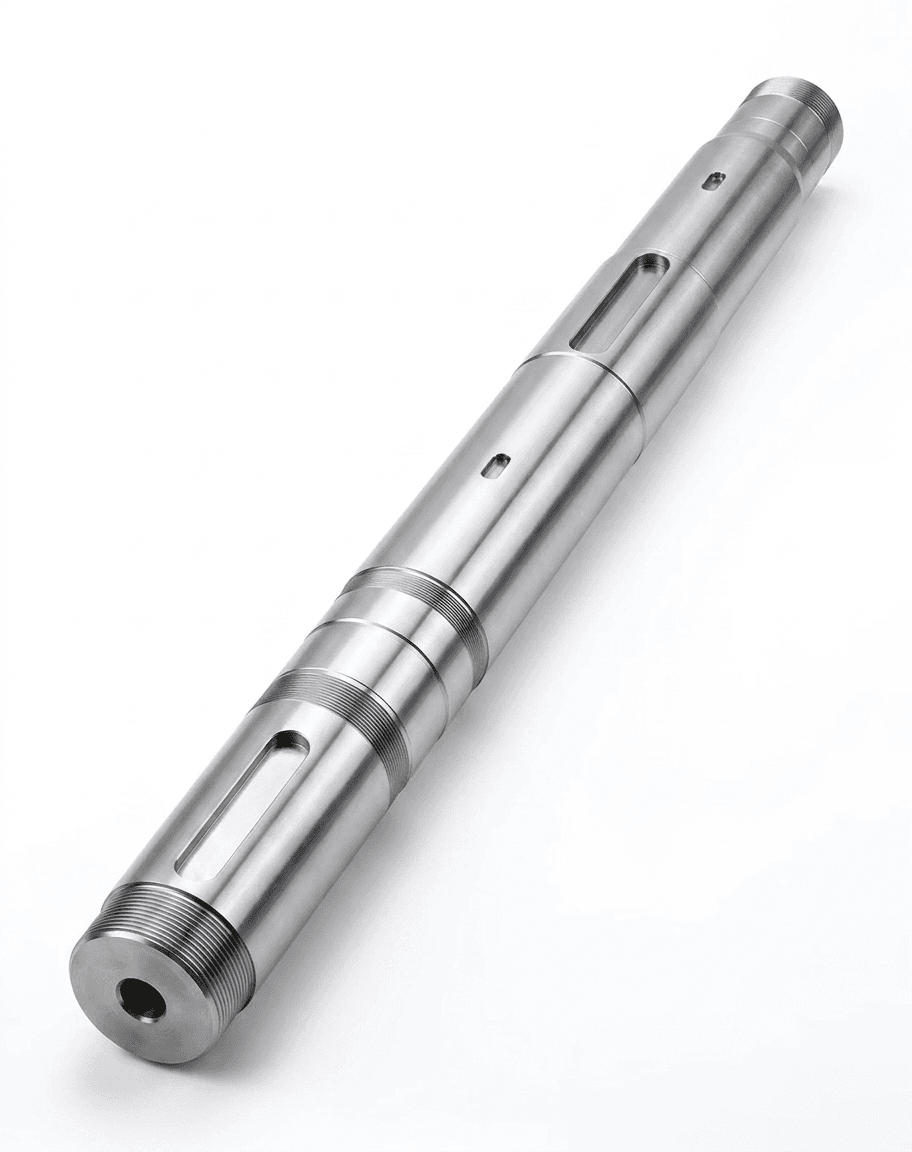
Journal fit accuracy and coaxiality machined to the shaft-system plan.
Pump shafts are reviewed as non-standard, drawing-based components with material selection confirmed for the requirement. Include the drawing revision, quantity, application, and important dimensions. The published machining reference does not define a universal shaft length, fit, or acceptable geometry for every project.
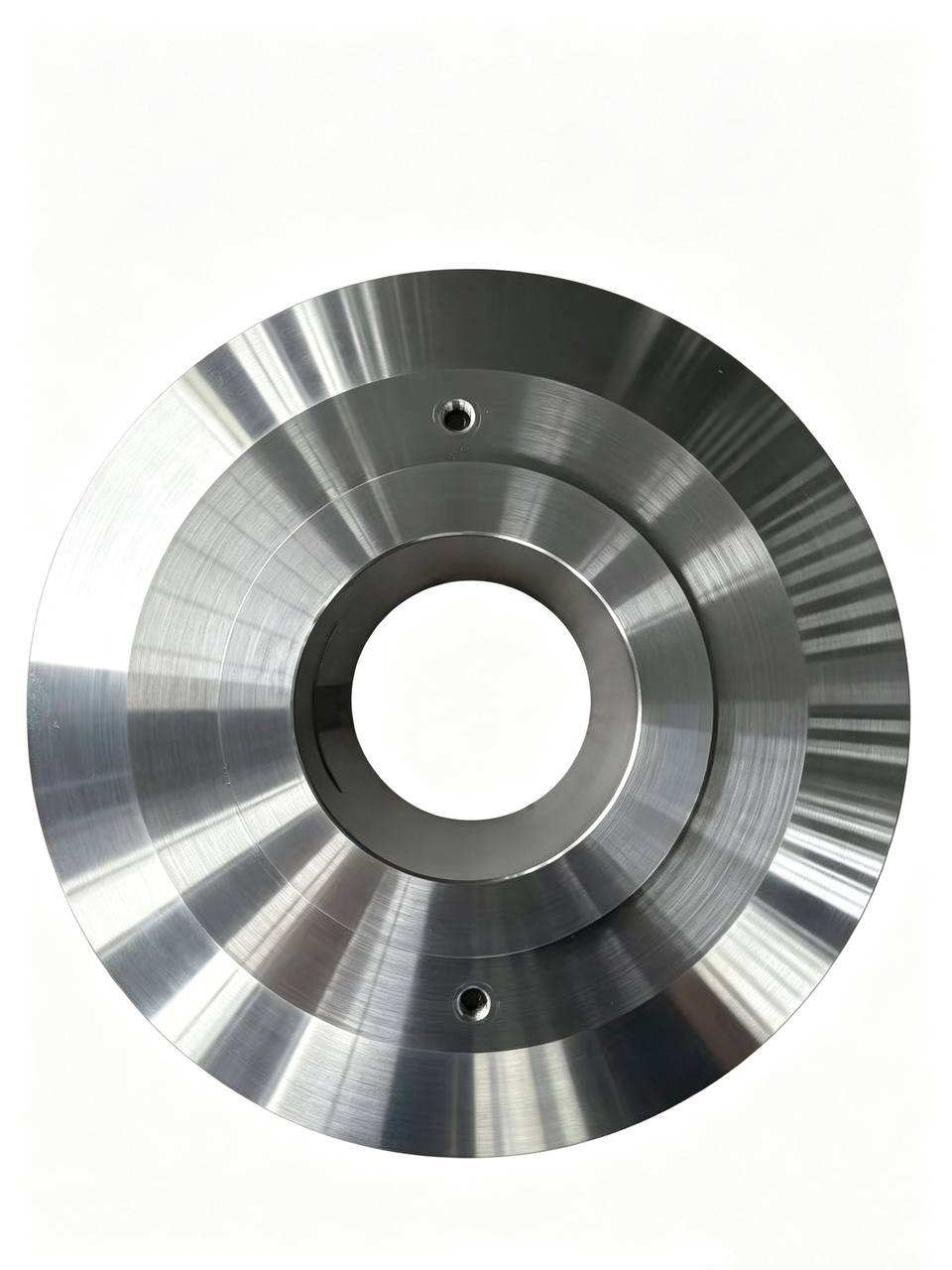
High-hardness wear surfaces supported.
Custom balance-disc requirements are reviewed against the agreed geometry, material, and inspection needs. State any requested wear-surface or hardness requirement as a technical input for assessment. The representative example is not a blanket promise of a particular treatment, hardness, or operating life.
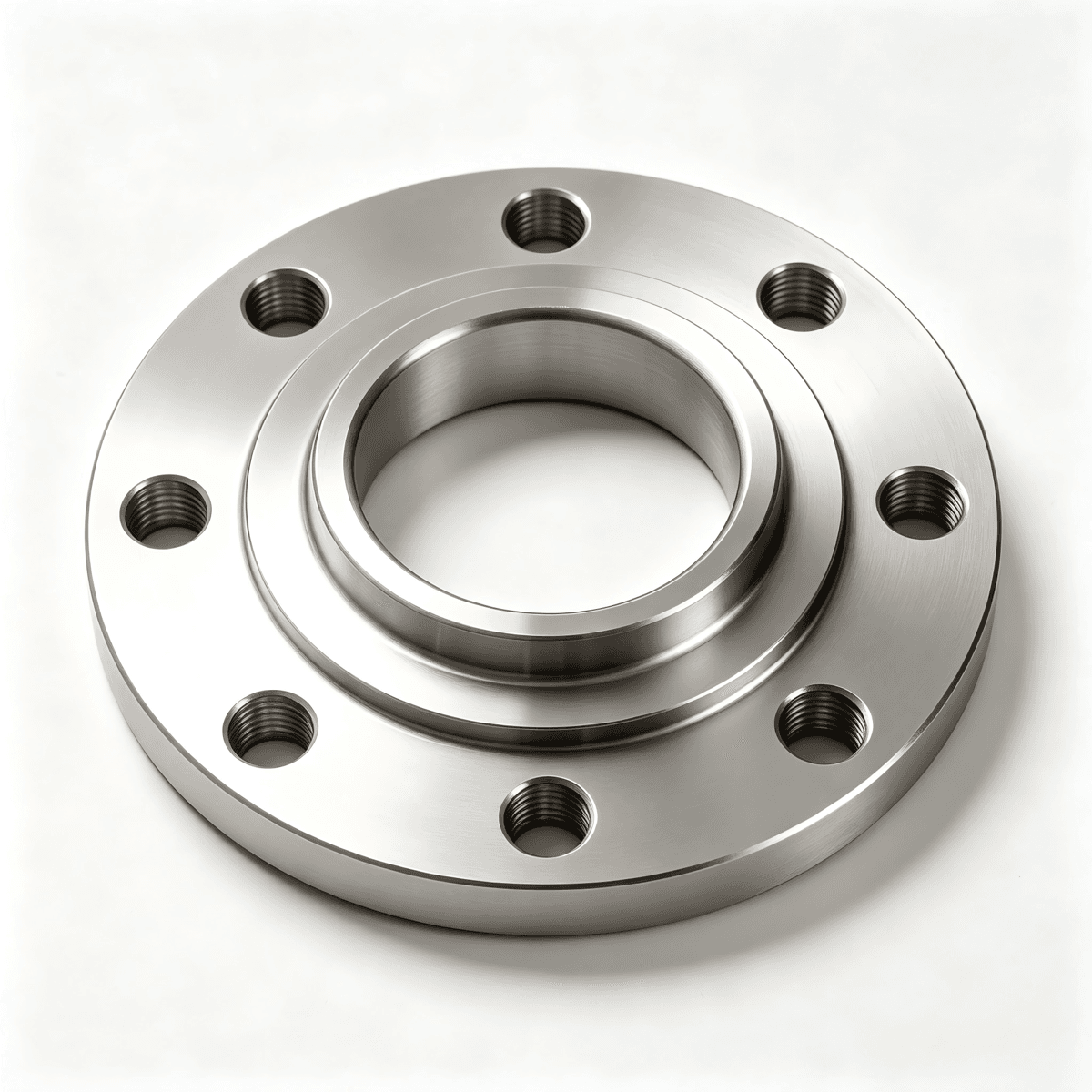
Non-standard bores, drilling on request, special materials.
Non-standard flange requirements can include custom bores, hole arrangements, and specified materials. Provide the current drawing, quantity, application, and inspection requirements. The term “flange” does not establish a standard, pressure rating, material grade, or universal suitability for a connection.
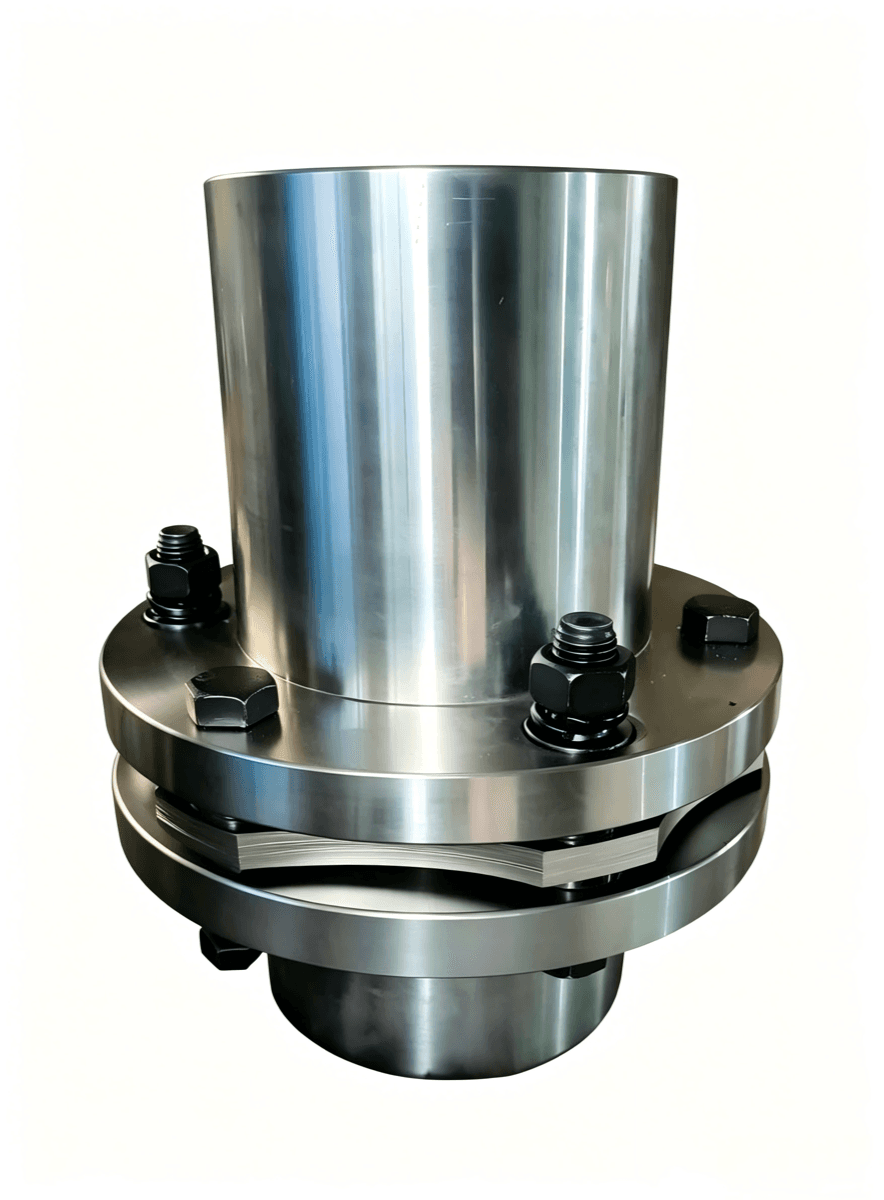
High torque or non-standard bores, by shaft-end dimensions and torque class.
Custom couplings are reviewed against the required torque or shaft specification and agreed drawing. State the application, material requirement, quantities, and relevant dimensions. The representative category does not publish a universal torque rating or establish interchangeability with a named equipment brand.
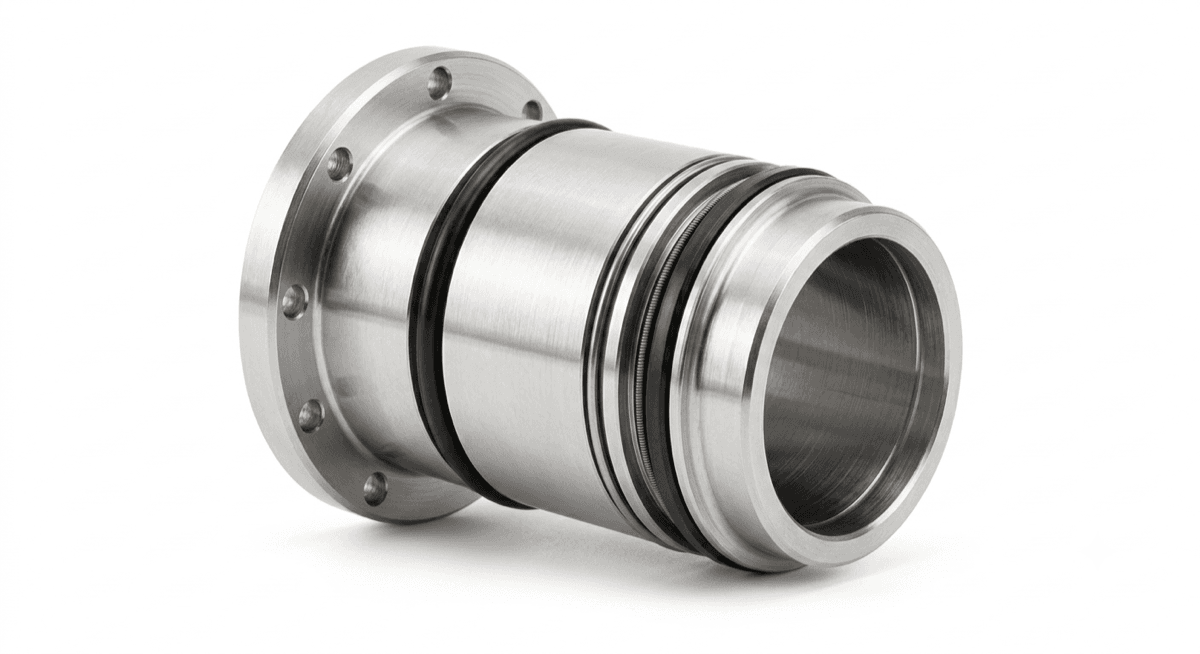
Non-standard industrial shaft sleeves, with material and dimensions defined by the project.
The scope includes non-standard industrial shaft sleeves, with material and dimensions defined by the project. Share the drawing, quantity, application, and critical requirements. A sleeve photograph is a family reference; it does not determine the final diameter, fit, tolerance, or production arrangement.
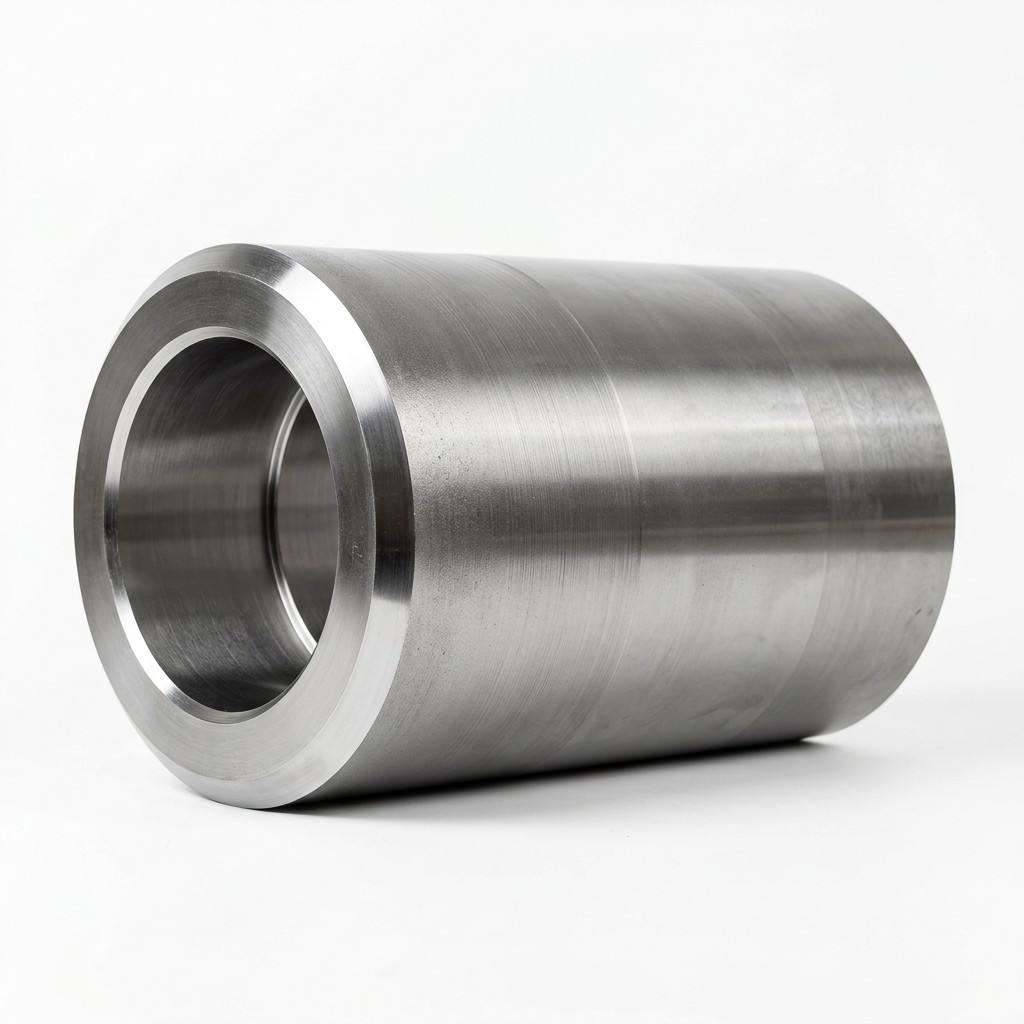
Machined to roll journal fit requirements.
Roll neck sleeves are representative custom components for agricultural machinery and metallurgical or rolling applications. Identify the equipment context and provide the agreed drawing or specification, material, and quantity. Application references do not imply compatibility with every machine or approval for every operating condition.
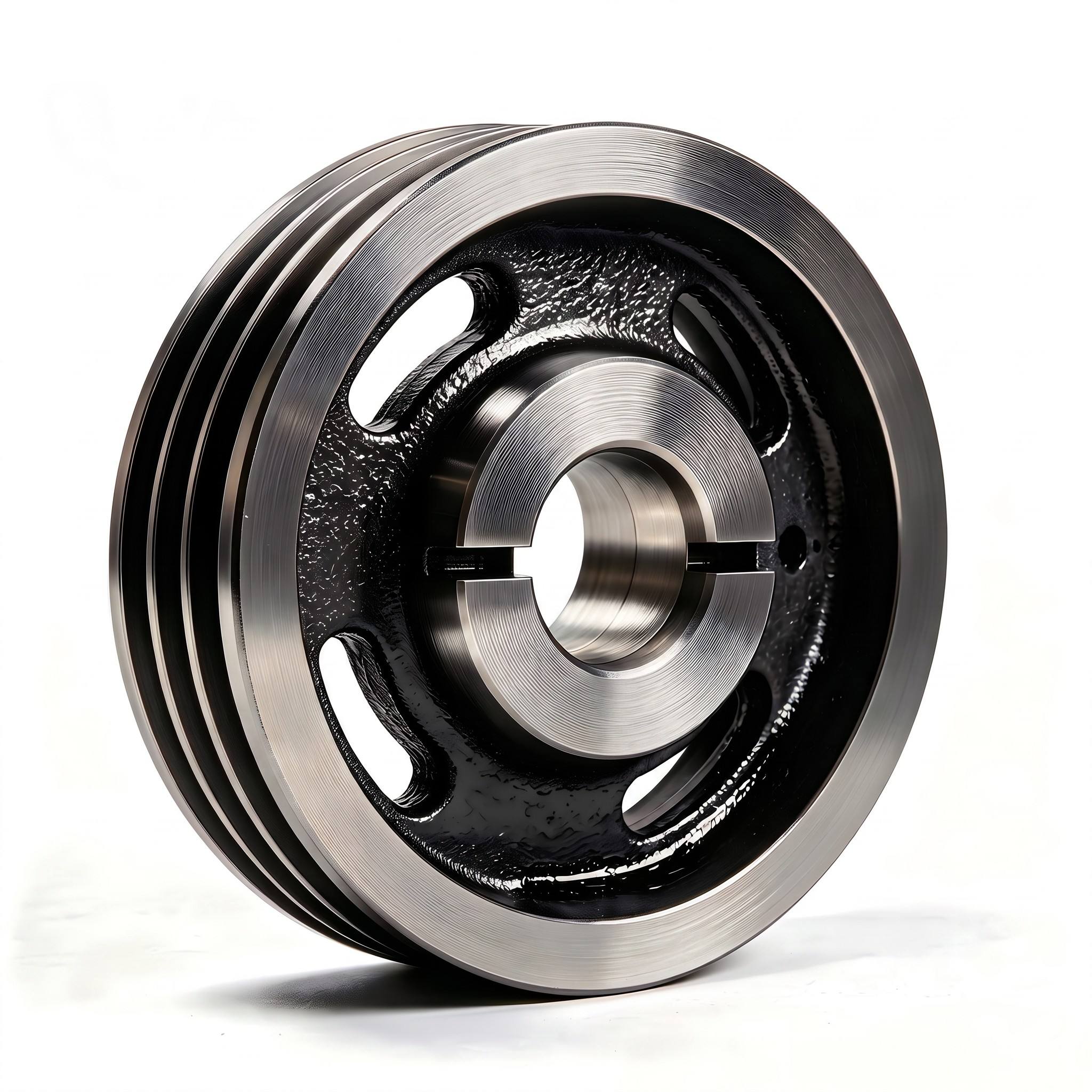
Large-diameter non-standard taper bore, by drive power and structural requirements.
The representative scope includes custom heavy-duty drive sheaves with project-defined geometry and bore requirements. Provide the drawing, application, quantity, and critical dimensions for review. The final size, mounting details, material, and inspection scope must be established for the actual requirement.
Lead time and delivery method are assessed per drawing, specification, batch and process, and confirmed order by order.
Different part families need different identifying details. Rings and sleeves need the mating context and critical dimensions; flanges and seal glands need the bore, hole arrangement and connection information; couplings and drive sheaves need the shaft or bore requirement, mounting information and application; impellers, guide vanes, shafts and balance discs need the equipment context, agreed geometry, material and inspection priorities.
Provide only information that is known or specified by your engineering team. The initial inquiry identifies scope and missing details; it does not confirm final manufacturability. Drawings are sent by email after the initial text inquiry.
You can submit the requirement for review within the relevant machining scope. Include the drawing or specification, material, quantity, and application. The gallery is representative, but that does not mean every unlisted item is supported. Feasibility and the appropriate route must be reviewed before a quotation is confirmed.
Materials are chosen part by part. The list describes the published machining scope, and the required grade and its suitability are reviewed against the drawing and application. Specify the intended material and any documentation or special requirements. A material family does not establish the exact grade or make every listed material suitable for every component; the agreed technical specification remains the basis for production and quotation.
We can discuss it. Send the technical data you have — an earlier drawing or drawing number, key dimensions and tolerances, material, operating conditions and application. We assess whether a production drawing can be established, and production starts only after you confirm it. We manufacture to your drawing; we do not design parts.
Samples are chargeable; the sample fee can be credited against a later batch order.
Inspection scope and records are agreed against the drawing, critical dimensions, and customer requirements. SourceTide’s quality flow covers incoming material, first article, in-process and final inspection; the public gallery does not promise every possible measurement or test for every part. Routine material documentation and dimensional inspection information remain within the applicable order scope. Special tests, third-party inspection, and additional documentation are reviewed separately when required.
Price and delivery planning depend on the drawing, material, quantity, critical requirements, inspection, documentation, and delivery terms. The gallery does not publish a standard price, fixed minimum quantity, or common lead time for every part family. A sample or incomplete technical package may help start a feasibility discussion, but production proceeds only against an agreed drawing or specification. State any missing information so the review can identify what is needed next.