
Many Machines, Many Models: From Scattered Buying to Managed Supply of Precision Spare Parts
MRO precision spare parts · Managed supply
This case shows precision spare parts made to drawing, a parts list managed by category, and one inspection basis.
Case at a Glance
| Field | Case information |
|---|---|
| Business line | MRO precision spare parts |
| Customer | An equipment department maintaining pumps and drive equipment of several brands and generations |
| Requirement | One supply route and one inspection basis for its wear parts |
| SourceTide’s role | The parts list organised by category, parts made to drawing, and an agreed supply rhythm |
| Result | One contact, and planned supply in place of rush orders |
The Customer
An equipment department that maintains many machines: pumps and drive equipment of different brands and generations running on site.
The Problem
Many suppliers for one machine. Wear parts for the same machine came from several suppliers, each with its own reading of the drawing, material batches and inspection criteria, so it was hard to predict how a part from a new source would perform once fitted.
Rush orders. When a machine stopped unexpectedly, precision spare parts could only be rushed through, with nothing arranged in advance.
Small items, repeated work. Many low-value, varied wear items meant repeated quotation, reconciliation and order follow-up.
Our Approach
The list, organised. From the equipment list, maintenance records and purchase history, we built the parts list and identified the parts several models share, turning buying by breakdown into planning by category.
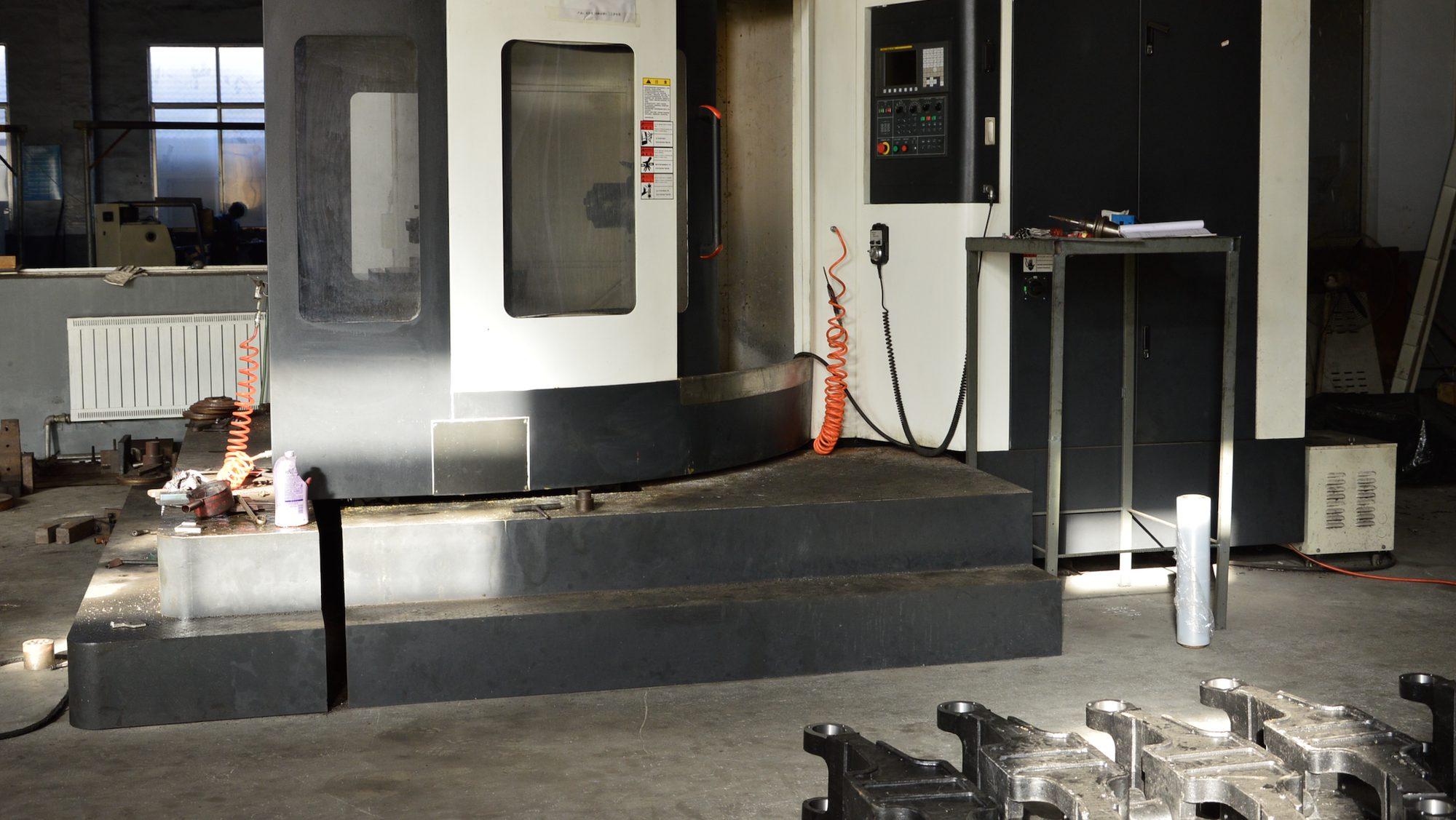
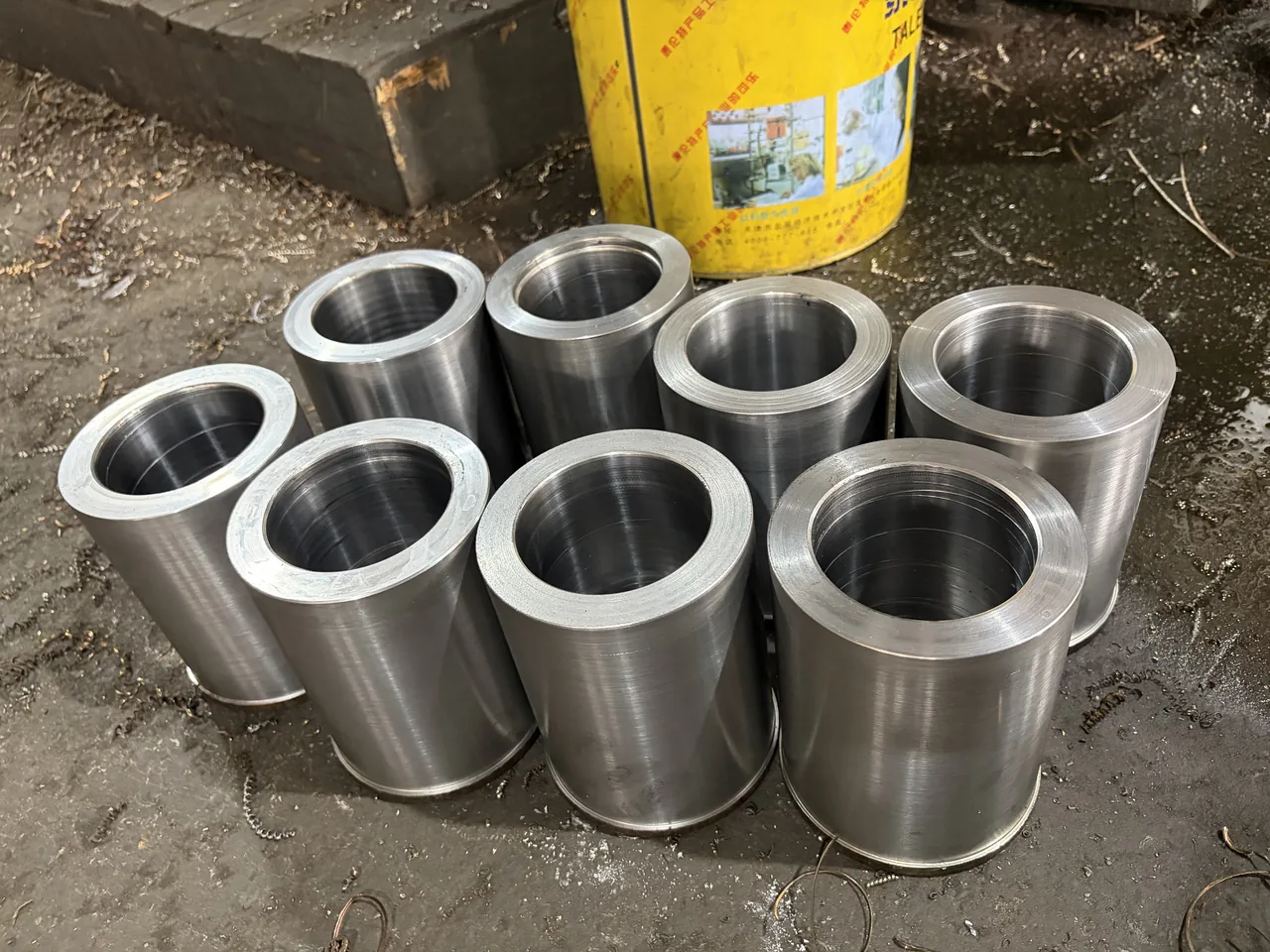
Made to drawing, on one basis. Parts are made to the customer’s drawings, to one process datum and one set of inspection criteria, which reduces the fit differences that come from mixed sources.
Agreed scope and rhythm. The categories, routine replenishment, graded handling of urgent needs and the delivery rhythm are agreed with the customer; for parts needed often, material can be prepared or production scheduled within the agreed scope.
One list, one quotation. The whole list is reviewed and quoted at once, through one contact.
The Result
Buying moved from many contacts to one, and supply from rush orders to a plan. How much improves depends on the customer’s existing buying and the size of its equipment base, and both sides assess it after implementation.
How the List Is Managed
The parts in the list. For pumps: impellers, guide vanes, pump shafts, wear rings, balance discs, seal glands and mechanical seal rings. For gearboxes and drives: bearing bushings, bearing housings, glands and housings.
Grouped by machine. Within each machine’s group, drawings, tolerances and inspection requirements are aligned, and paired items keep their requirements together.
What each line records. The equipment reference and drawing revision, the basis for the part (drawing or specification, and material) and the documents required with each batch.
Planned from the maintenance plan. The customer’s maintenance plan is an input: material and production slots are discussed against planned overhauls before a need becomes urgent. Material is prepared only for frequently replaced items with stable specifications; items whose requirements vary are made on request.
Repeat orders on the same basis. Repeat orders reuse the established drawing, CNC program and production references; a change of revision, geometry, material or inspection requirement is reviewed first. Dimensional records are kept with each batch, and the plan is revisited when quantities, requirements or maintenance priorities change.
Discuss a Similar Requirement
Start with the parts list you have. The Precision Spare Parts Profile worksheet shows how to group it by category before you send it.